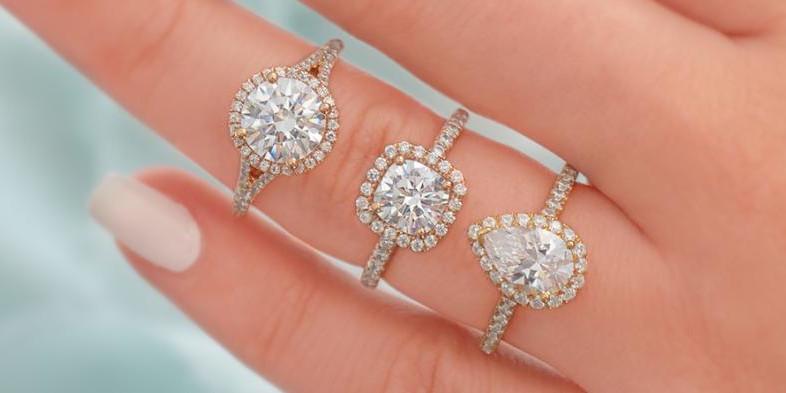

I still remember the first time I wandered into a jewellery workshop in Madrid – a tiny, warm, slightly chaotic space tucked behind a row of cafés near Malasaña. I’d only planned on staying a few minutes, just long enough to escape the afternoon heat. But the jeweller working there, an older man with silver-rimmed glasses and a habit of humming old flamenco melodies, started talking to me about diamonds. Not the glitzy, high-pressure sales sort of talk you hear in shopping centres, but real talk – about craft, ethics, the future of gemstones, and why Spain, almost quietly, was becoming a hub for something new: man made diamonds Madrid.
That conversation stayed with me. And over the years, as a jeweller myself, I’ve watched synthetic stones go from a niche curiosity to a serious mainstay in the global jewellery scene. What’s especially fascinating is how strongly this shift is taking root in Madrid. There’s something about the city – its mix of tradition and innovation, its appreciation for craftsmanship, its slow-burn romance – that makes it the perfect place for lab-grown gems to shine.
So, if you’re curious about why so many Spaniards (and plenty of travellers) are turning their attention to lab diamonds, let me walk you through what’s happening behind the scenes, and why it matters far beyond the jewellery counter.
Table of Contents
A City That Loves Beauty, Stories… and a Bit of Disruption
Madrid has always held this lovely duality. On one hand, it’s fiercely protective of its artistic heritage – think Prado masterpieces, hand-crafted leather goods, and those centuries-old jewellery houses still operating off Gran Vía. On the other, the city embraces fresh ideas with a sort of youthful boldness. It’s why sustainable fashion has taken off here, why upcycled clothing markets are packed every weekend, and why cafés proudly display the origins of their beans like badges of honour.
When you look at it that way, it makes perfect sense that man made diamonds are becoming a natural fit. They bridge the old and the new: the sparkle and permanence of a diamond, paired with the transparency and modernity today’s buyers actually want.
And honestly, you might not know this, but Madrid’s younger designers are some of the biggest champions of lab-grown gems. They talk about them the same way chefs talk about seasonal produce – with passion, practicality, and a touch of pride.
Why Lab-Grown Diamonds Speak to Modern Buyers
As someone who spends a lot of time working directly with customers, I can tell you the shift hasn’t been driven only by price (though that’s part of the story). It’s much more personal.
Here are the three reasons I hear most often:
1. People Want a Diamond Without the Guesswork
There’s always been this somewhat uneasy cloud over traditional diamonds. Even when mined ethically, the average buyer can’t help but wonder about the journey their stone took.
With lab-grown diamonds, that uncertainty fades. You know where it was made. You know how. You know the environmental impact wasn’t hidden behind some mystical supply chain.
One customer told me, “I just want to wear something beautiful without feeling guilty.” And that sentiment pops up more than you’d expect.
2. They’re Scientifically Identical – Which Still Blows People’s Minds
Even after years in the trade, I’m still amazed by the fact that lab diamonds aren’t substitutes or imitations – they’re diamonds. Same structure, same durability, same sparkle, same chemical composition.
A lot of jewellery buyers I meet admit they came in thinking a lab diamond was something like cubic zirconia. When they learn the truth, you can practically see their shoulders relax.
3. You Get More Creative Freedom
This is big for designers. Because lab diamonds are more accessible, people suddenly feel free to experiment – bolder shapes, unusual cuts, playful clusters. Madrid’s design studios are full of custom sketches that would’ve been financially unrealistic a decade ago.
Madrid’s Jewellery Scene Is Changing – and Fast
Over the past few years, a growing number of workshops and boutiques have started offering custom settings with lab diamonds as standard options. Some specialise almost entirely in them.
One standout example is a local favourite known for its transparent pricing and modern ethos. If you’re researching options and want a direct look at the growing market, the specialists in man made diamonds Madrid have become a go-to reference for many shoppers – especially couples designing engagement rings who want that blend of beauty and ethics.
What I love most is hearing how confident people feel when choosing a lab diamond. No awkward hesitation, no sense they’re compromising. If anything, they seem proud of making a thoughtful choice.
The Technology Behind Lab Diamonds – Surprisingly Beautiful
I know “technology” and “romance” don’t usually belong in the same sentence, but in this case they do. The process of creating a diamond inside a lab is honestly poetic once you understand it.
There are two main methods used worldwide:
CVD (Chemical Vapour Deposition)
Imagine a tiny sliver of diamond – a seed – placed inside a chamber that’s filled with carbon-rich gas. When heated to extremely high temperatures, the carbon settles onto the seed layer by layer. Over time, it grows. Literally grows.
It’s slow, precise, and kind of mesmerising.
HPHT (High Pressure, High Temperature)
This method mimics the natural forces deep inside the earth. Carbon is exposed to the sort of pressure and heat conditions that exist hundreds of kilometres below the surface.
The carbon crystallises. A diamond forms.
The reality is far more complex, but the heart of it feels wonderfully simple: carbon becoming beauty, guided by human hands instead of geological time. There’s something quietly poetic about that.
Madrid’s Designers Are Rewriting the Rulebook
If you walk through Salamanca or Chueca today, you’ll see the change reflected in store windows. The styles feel cleaner, bolder, more international – but with a distinctly Spanish sense of warmth.
Lab diamonds have opened the door for:
- pavé bands with larger, more consistent stones
- three-stone rings with unusual proportions
- colourful settings combining gold tones and geometric lines
- lightweight everyday pieces that still feel luxe
What’s especially interesting is the rise of stackable jewellery. Many local makers are creating accessible collections featuring smaller lab diamonds – pieces you can wear to brunch, to work, or on a night out without worrying you’re “saving them for a special event.”
And for anyone keeping up with trends, lab-grown gems are also appearing in sustainable fashion discussions, like in this lifestyle piece on lab made diamonds that highlights how they fit into modern style culture.
Tourists Are Fueling the Trend Too
I’ve noticed more Australians, Brits, and Americans dropping into Madrid workshops specifically because they’ve heard European jewellers are ahead of the curve with synthetic stones. And they’re right.
Madrid’s combination of design talent, competitive pricing, and open-minded consumers has created a marketplace that’s quickly becoming a destination for ethical luxury.
Some visitors even design their engagement rings during their holiday. I’ve helped a few couples do that, and honestly, it’s one of the sweetest parts of the job.
Imagine: a trip to Spain that ends with not just memories, but a ring that carries the story with it.
Are Lab Diamonds Really the Future? I Think So – And Here’s Why
Every so often, someone asks if lab diamonds are just a trend. I get where the question comes from, but from what I’ve seen (and I’ve been in this trade long enough to notice patterns), this isn’t a fad. It’s a shift.
The same way electric cars started small and then changed the automotive industry, lab diamonds are quietly reshaping the jewellery world.
A few reasons:
1. Transparency isn’t a luxury anymore – it’s expected.
Younger buyers especially want to know the impact behind what they purchase.
2. People connect with the story of innovation.
A diamond grown with science doesn’t feel less romantic – it feels modern.
3. The stigma is disappearing rapidly.
In Madrid, it’s almost gone already.
4. Jewellery is becoming more personal than ever.
People want pieces that reflect their values as much as their style.
I’ve watched enough shifts in consumer taste to recognise when something has staying power. Lab diamonds aren’t just sticking around – they’re leading the charge.
What to Consider If You’re Buying Man-Made Diamonds in Madrid
Just a few tips, from one jeweller to another:
1. Ask for certification
A proper lab diamond should come with grading from IGI or GIA. Same rules as mined stones.
2. Don’t rush your decision
Try on different cuts. Round brilliant might be classic, but radiant or oval shapes look incredible in Madrid’s modern settings.
3. Custom design is surprisingly affordable now
If you’ve ever dreamed of designing your own ring, this is your moment.
4. Trust your eyes
Forget what anyone tells you about “tradition.” If the stone looks beautiful to you, that’s what matters.
Final Thoughts: A New Kind of Romance
Every time I visit Madrid now, I feel that same spark I felt during that first unexpected jewellery workshop detour. The city has this way of embracing the future without losing its soul.
And that’s exactly what’s happening with man-made diamonds.
They’re giving people the chance to choose beauty without compromise, to celebrate moments with something meaningful, to align small symbols of love with bigger values.
If you’re thinking about exploring man made diamonds Madrid, I genuinely think you’ll find something special in the city’s evolving jewellery culture. It’s honest, warm, forward-thinking – and in its own quiet way, revolutionary.